Nutrients for Brain Recovery: What the Science Actually Says
In this article6 sections
Omega-3s, magnesium, creatine and more: see which nutrients research suggests may support the brain's recovery, and how to get them.
Nutrients for Brain Recovery: What the Science Actually Says
The nutrients most studied for supporting the brain's recovery include omega-3 fatty acids, magnesium, creatine, citicoline, and antioxidants like curcumin and vitamin C. None of them treat or cure injury, but a growing body of research suggests they may support the brain's normal energy production, cellular repair, and healthy inflammatory response, especially around demanding activity.
If you are new to this idea, it helps to start with the bigger picture in our guide to head impact support. Here, we go deeper on the nutrition piece: which nutrients have the most support, what the evidence really shows, and how to actually get them.
Why nutrition matters for the brain
The brain is one of the most energy-hungry organs in the body, and it relies on a steady supply of specific nutrients to build cell membranes, produce energy, and manage a normal inflammatory response. After a demanding session, or a head impact, those systems are working harder than usual.
That is the logic behind brain-recovery nutrition. It will not override rest or medical care, but supplying the brain with well-studied building blocks is a sensible, wellness-first habit, the same way athletes fuel their muscles.
The most-studied nutrients for brain recovery
Here are the nutrients with the most research behind them. In each case, the honest framing is the same: emerging evidence, supportive role, not a cure.
1. Omega-3 fatty acids (DHA and EPA)
DHA is one of the main structural fats in the brain. Preclinical research suggests omega-3 intake, before or after mild traumatic brain injury, may support functional recovery and a healthy inflammatory response, though large human trials are still needed (Barrett, McBurney, & Ciappio, 2014, Advances in Nutrition). Food sources include fatty fish, walnuts, and flax.
2. Magnesium
Magnesium supports normal nerve signaling and may help modulate excitotoxicity, a stress process studied in the context of brain injury (Nutrients narrative review, 2024). Many people fall short on magnesium from diet alone. Food sources include leafy greens, nuts, seeds, and whole grains.
3. Creatine
Best known for muscle, creatine also plays a role in brain energy. Reviews note it may help address the cellular "energy crisis" studied after brain injury, though evidence in humans is still developing and mixed for acute recovery (Nutrients narrative review, 2024).
4. Citicoline
Citicoline is a compound involved in building and maintaining brain cell membranes. It has a plausible mechanism and is widely studied for cognitive support, with evidence that varies by outcome and population (systematic review, 2023).
5. Antioxidants (curcumin, vitamin C, and others)
Oxidative stress is one of the processes researchers study after head impacts. Antioxidant compounds such as curcumin and vitamin C are examined for their supportive roles, again as part of a broader nutritional approach rather than a standalone fix (Nutrients narrative review, 2024).
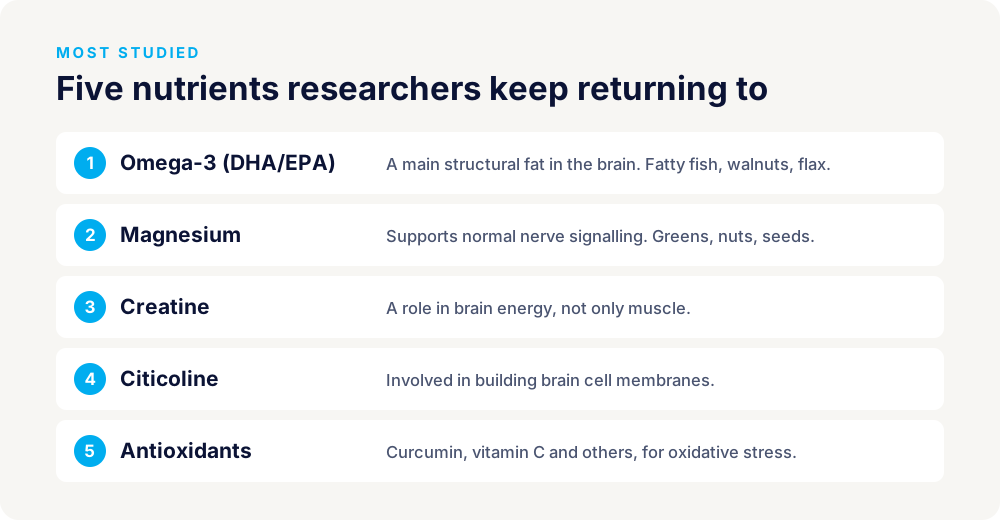 The nutrients with the most research behind them.
How to actually get these nutrients
There are two practical routes, and they work best together:
- Food first. A varied diet rich in fatty fish, leafy greens, nuts, seeds, and colorful produce covers a lot of ground.
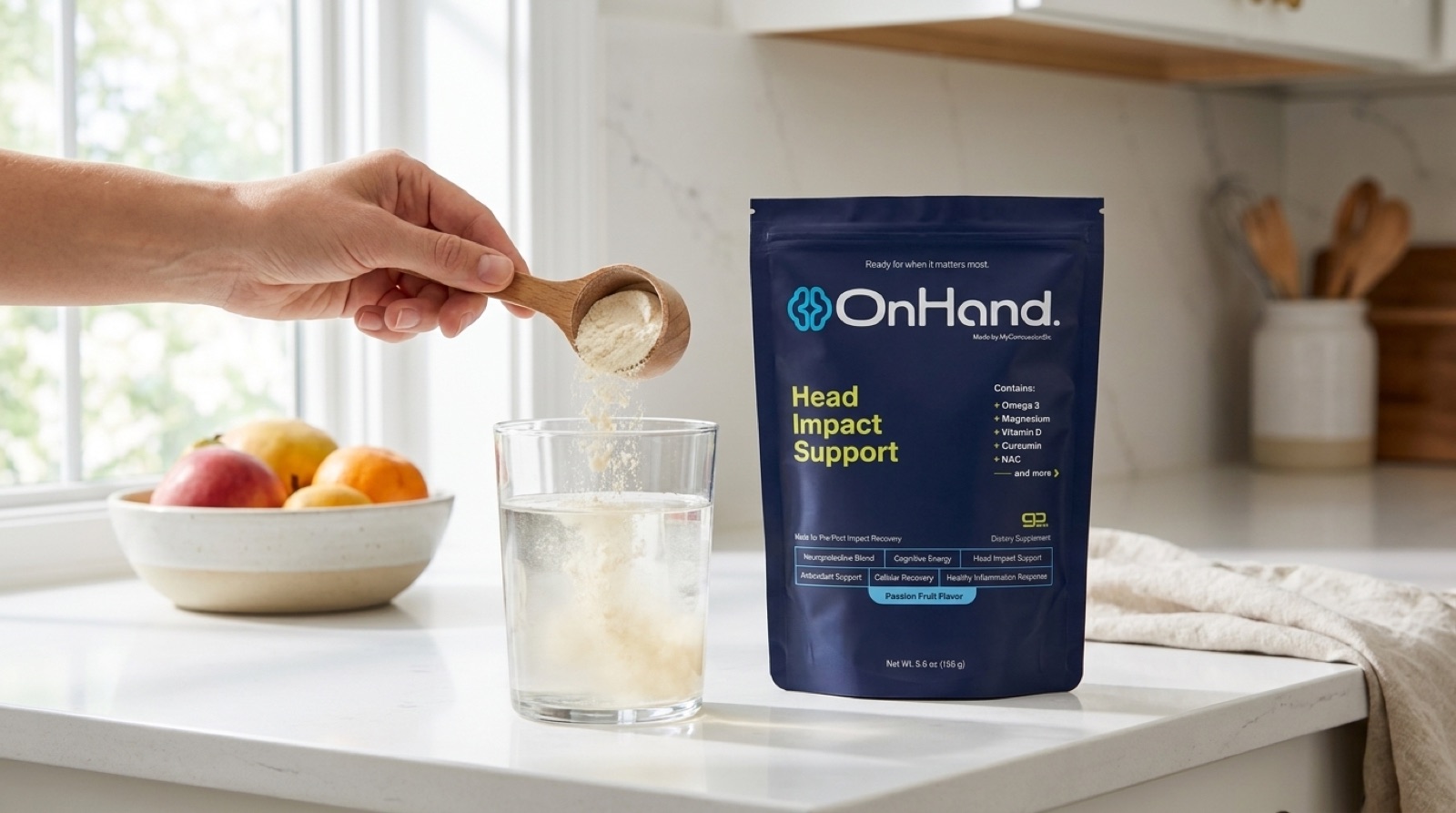
- A targeted blend. Getting meaningful amounts of several of these nutrients from food every day is hard, especially around training. This is where a thoughtfully formulated scoop can help, combining well-studied actives in one simple step.
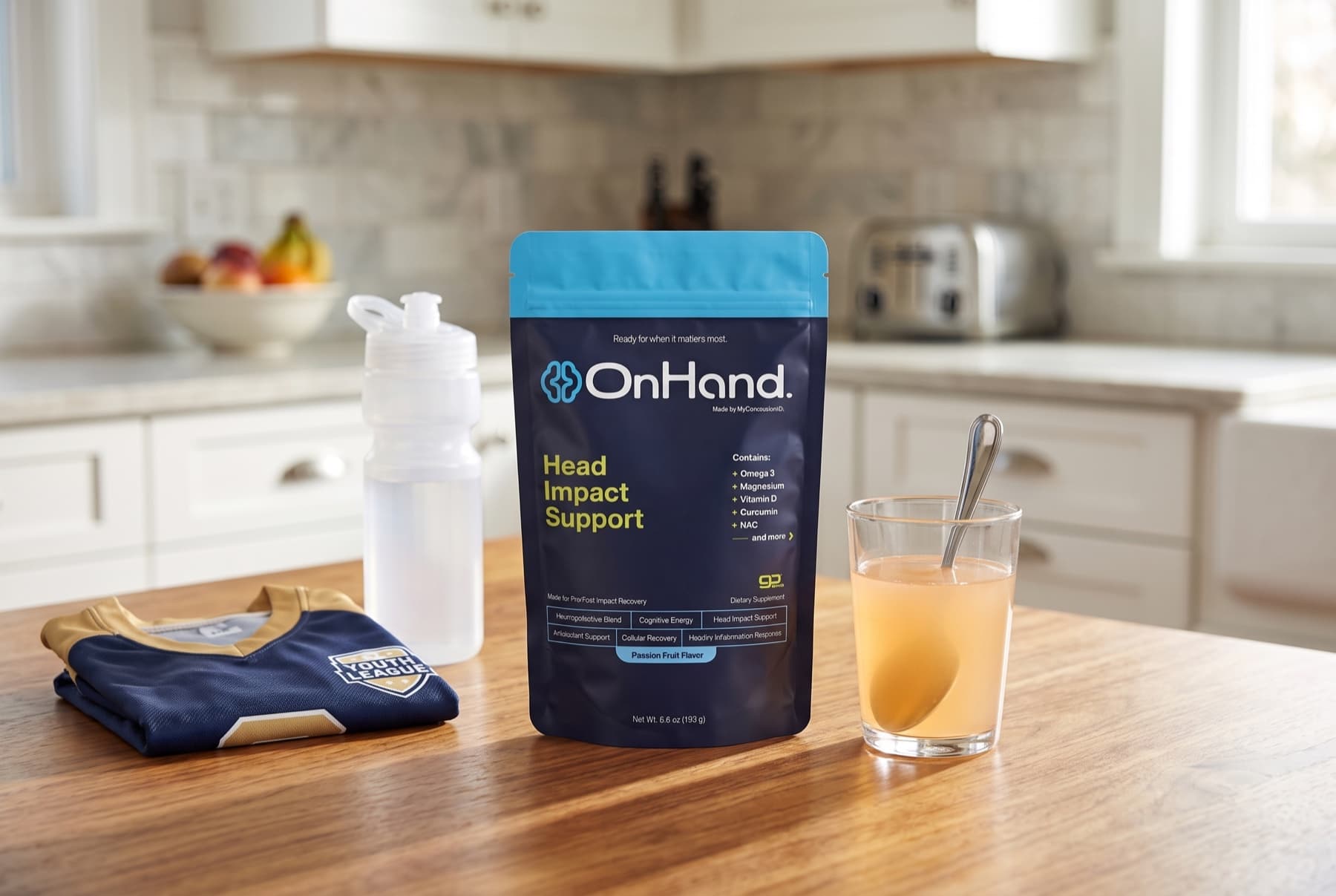
OnHand was built around this second route: a scoopable, doctor-formulated blend with eleven thoughtfully selected actives, including omega-3, magnesium, and citicoline, made to support the brain before activity and after impact. It is a readiness ritual, not a daily habit, taken around the moments that matter.
A word on evidence
It is worth being clear-eyed. Much of the strongest data is preclinical or early-stage, and results vary by nutrient, dose, and person. What the research supports today is a supportive role for good nutrition in the brain's normal energy, repair, and inflammatory processes. It does not support any claim that a nutrient treats, cures, or prevents concussions or injury. Nutrition is a complement to rest, hydration, and professional care, never a replacement.
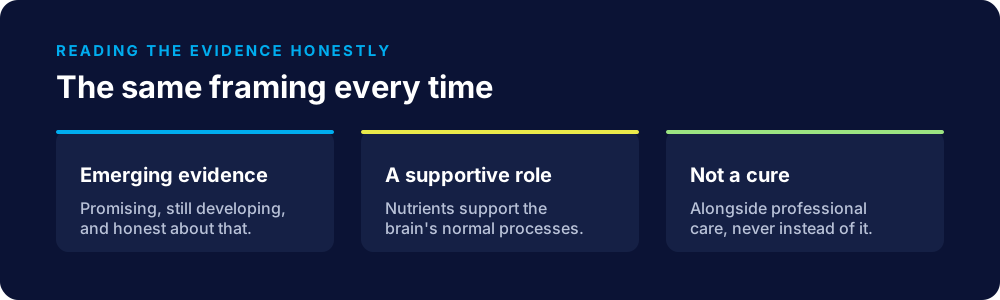 How to read the evidence honestly.
Frequently asked questions
What nutrients are best for brain recovery? The most-studied are omega-3 fatty acids (DHA/EPA), magnesium, creatine, citicoline, and antioxidants like curcumin and vitamin C. Evidence suggests they may support the brain's normal energy, repair, and inflammatory processes.
Can supplements heal the brain after a head impact? No. No supplement treats, cures, or prevents injury. Nutrition may play a supportive role alongside rest and medical care, but a head injury always needs professional evaluation.
Is it better to get these from food or a supplement? Food first, always. A targeted blend can help fill gaps, especially around training, when getting meaningful amounts of several nutrients from food every day is difficult.
When should athletes take a brain-support blend? OnHand is designed as a readiness ritual around activity: before, to help the brain prepare, and after impact, to support recovery, rather than as a daily supplement.
The takeaway
Brain-recovery nutrition is not magic, and it is not medicine. It is a sensible, well-studied way to give the brain the building blocks it uses most, especially around demanding activity. Focus on food first, consider a thoughtfully formulated blend to fill the gaps, and keep it in its proper place: a supportive habit alongside rest, recovery, and professional care.
Start with the basics in our guide to head impact support, or learn more at keeponhand.com.
Sources
- Barrett, E. C., McBurney, M. I., & Ciappio, E. D. (2014). ω-3 Fatty Acid Supplementation as a Potential Therapeutic Aid for the Recovery from Mild Traumatic Brain Injury/Concussion. Advances in Nutrition, 5(3), 268–277. https://www.sciencedirect.com/science/article/pii/S2161831322011991
- Mitigating Traumatic Brain Injury: A Narrative Review of Supplementation and Dietary Protocols. (2024). Nutrients, 16(15), 2430. https://www.mdpi.com/2072-6643/16/15/2430
- A Potential Role Exists for Nutritional Interventions in the Chronic Phase of Mild Traumatic Brain Injury, Concussion and Sports-Related Concussion: A Systematic Review. (2023). https://www.ncbi.nlm.nih.gov/pmc/articles/PMC10490336/
This article is for general education and wellness information only. It is not medical advice and does not diagnose, treat, cure, or prevent any condition. Consult a qualified healthcare professional for concerns about head injuries.
Medically reviewed by MyConcussionDr medical team. This article is for general information and is not medical advice. Anyone with a suspected head injury should be evaluated by a licensed provider.

Start your readiness ritual
One minute a day. Keep it nearby.